

Here you are preparing files for motion capture use. It is a good idea to fill these recordings with short audio cues like, “Move to table and pour a drink”, or short countdowns to dialog if there are long pauses; Anything that helps your actors hit their marks and not wonder what they’re doing next. If you’re an indie, you may not have had the luxury to rehearse as much as you’d like, so these cues will give you the best chance of a successful capture with fewer takes.

Many great affordable ‘locations’ and environments can be found online from numerous sources. This is always the place to start in terms of setting your scene. Remember that often a bought asset is just the starting point and all 3D objects can be re-textured and adjusted to fit the specifics of your scene.
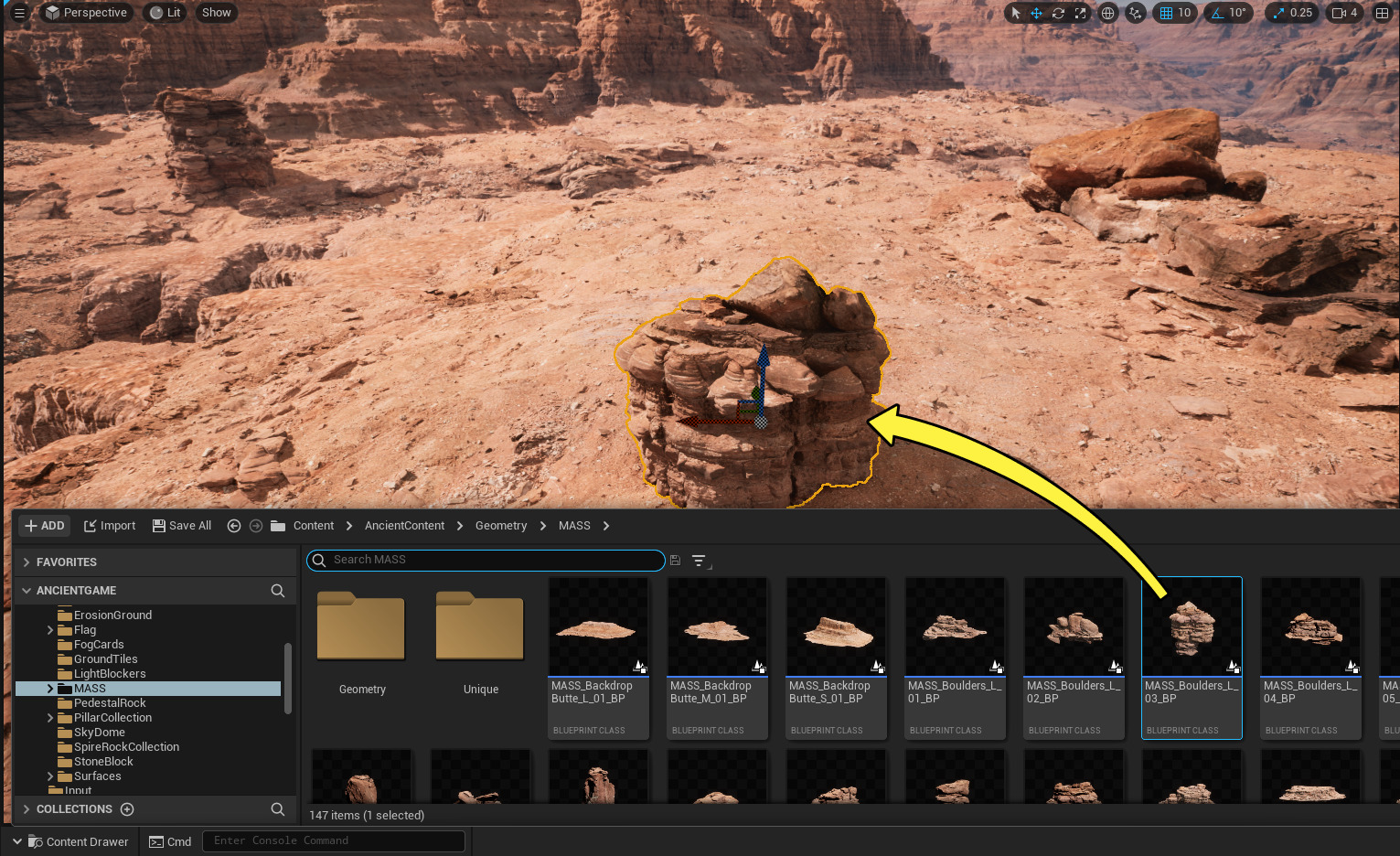
To ‘Kitbash’ means starting with pre-made environments but then moving walls and props to suit your scenes’ needs and incorporating any props that may be required but didn’t come in the environment. Any amount of mix and match is acceptable to set your scene. There is a lot of freedom here as you can move huge props with a click and completely re-imagine a space quickly and easily.
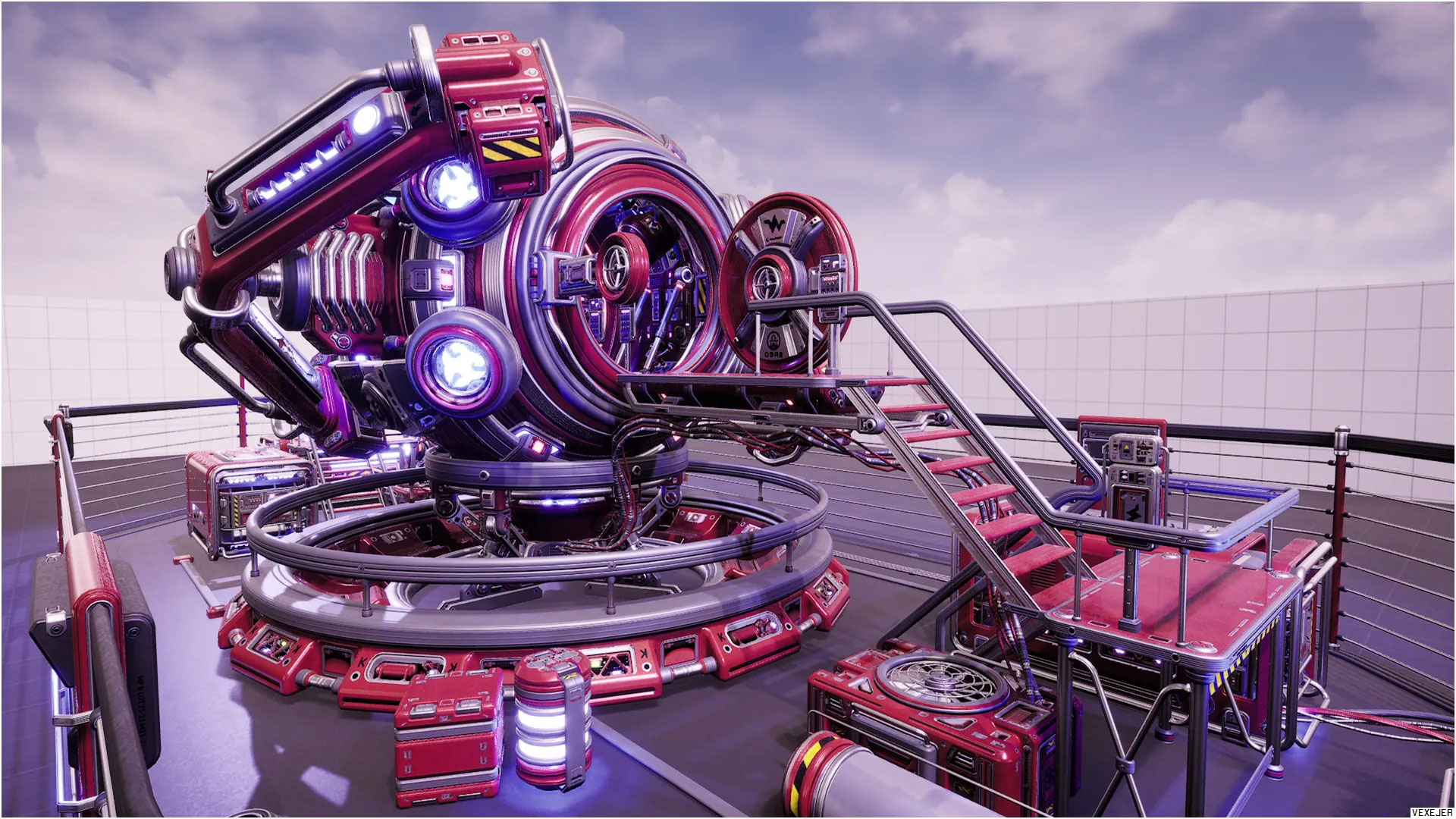
There may be props you need that just aren’t available on a marketplace or require specific customization. For something wholly unique to your film, like that never-before-seen time machine, we call in a 3D specialist. While you’re unlikely to make a custom coffee cup, certain memorable one-of-a-kind creations might help your film be memorable.
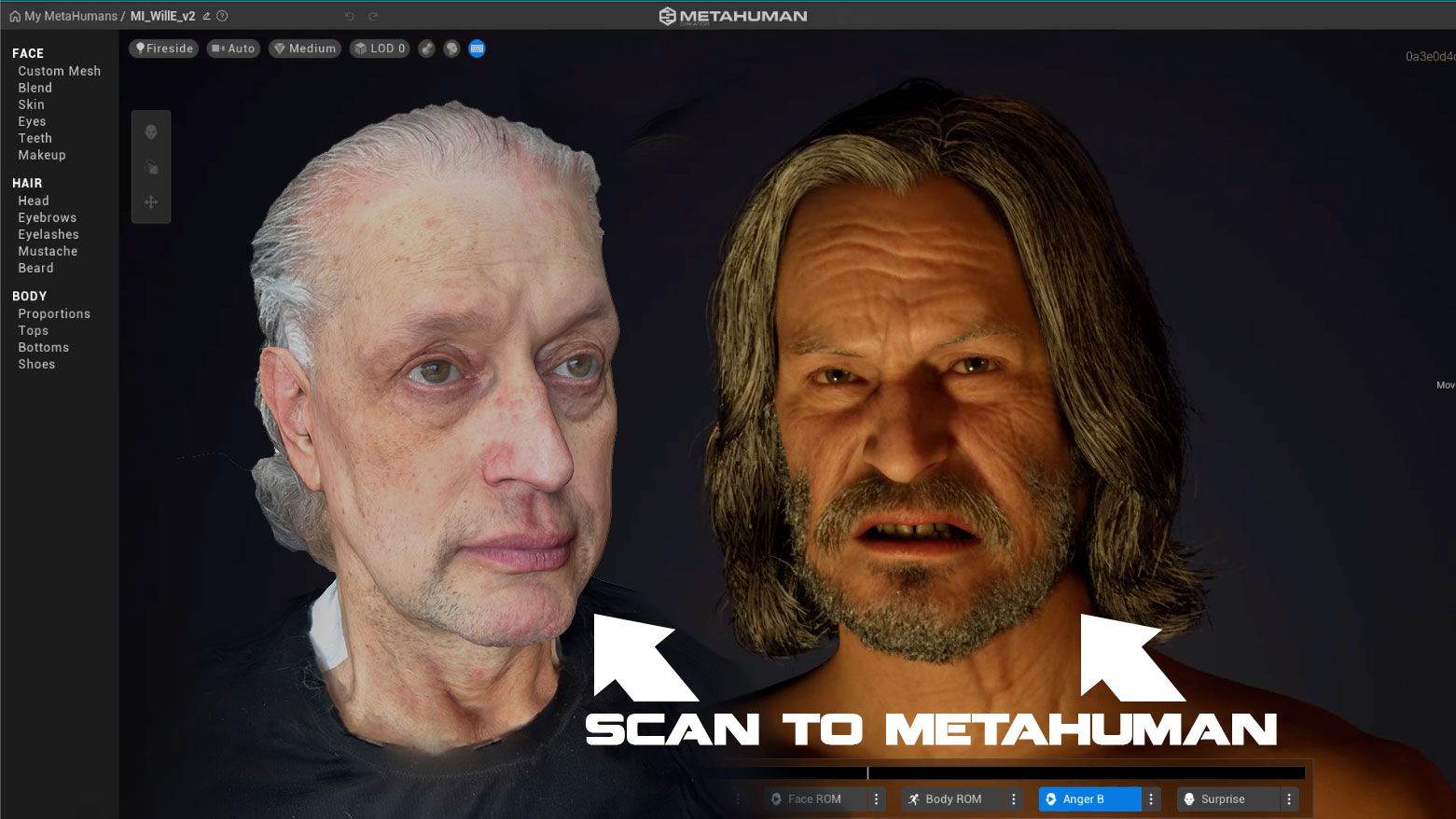
This is scanning of a human (if based of a real human actor) or the sculpting of a human if based off someone original or unattainable (dead?). Scan or scuplt is then prepared in 3D program (hair removed? sized) for the mesh-to-metahuman process. Next, the actor is pushed to the metahuman customizer to add skin, hair, eye color, etc.

To get a stronger likeness, a metahuman can be ‘re-baked’ – a process where an high resolution model is used as a morph target to reshape a previously created metahuman. The mesh-to-metahuman system loses many details that this ‘re-bake’ process (cinemotion patent pending) restores. Beyond that, there are special additions such as moles, scars and makeup effects added onto the above result.

Using a program called Marvelous Designer, special clothing is created in some cases from scratch, to fit on each specific metahuman. It works like traditional clothing design, from a sewing pattern that is digitally draped onto the character and then stitched together and simulated for hang, thickness, fabric type, friction and so on.

Traditionally, before a clothing item can be worn by a character, it need to be ‘weight painted’, a lengthy and tedious process where each metahuman bone is assigned to drive parts of the mesh of the clothing. It is a constant battle of values per bone, per vertex. With uDraper, though, the entire garment is simulated based on collisions with the metahuman wearing it. Weight painting is not applied here but the garments must be prepared using the uDraper plugin.

Capture methods are constantly changing with the goal to achieve better fidelity, while providing cheaper and easier results (such as markerless). The multicam capture using gopros is now deprecated by move.ai, only available in their ‘experimental’ mode. In September they intend to be releasing a depth camera-based system, but that only uses a single view (one camera). Our feeling is, a true cleanup-free solution will utilize both depth and RGB (visual) in a multi-cam setup. This will help avoid occlusion and produce the best amount of data that can be used to chose the most reliable bone positioning.

The most current and best solution for face capture is via metahuman animator. It uses depth camera information to create a great facial animation from a performance. Tools required are iPhone and facial capture helmet. This recent tech is a game changer for motion capture and as mentioned previously, the depth information will extend to body capture as well. Previous to this, animating faces was daunting and out of reach for most. With this ‘solved’, more filmmakers are likely to try their hand making an Unreal movie.